If you’ve been grocery shopping lately, you’ve probably noticed that the celery section is either sold out or costs much more than it usually does.
And it’s hard to ignore all the hype around “celery juice” (yes, it’s a thing — but why??)
Don’t get us wrong — celery is a great vehicle for dips, adds a refreshing crunchy texture to salads, and helps create the base of many soups and stews, but what gives? And it is really all that in terms of nutrition?
Read on and get the 411 on this suddenly popular vegetable.
Celery Nutrition Facts
Celery is a low calorie, low carb, crunchy green vegetable that has gained a lot of popularity as a weight-loss food, and more recently, celery juice has been promoted as a cure-all for things like digestive distress and skin health.
Here’s the nutrition breakdown for 1 cup of chopped celery provides:
- 14.1 calories
- 0.7 g protein
- 0.2 g fat
- 3 g carbs
- 1.6 g fiber
It also contains decent amounts of vitamin A, vitamin C, vitamin K, potassium, and folate.

What Are The Benefits of Eating Celery?
In addition to the nutrients listed above, celery also contains antioxidant-like compounds, which have been shown to help with cellular damage and inflammation.
Considering that celery is almost 95% water, it is a great food to add to help you stay hydrated, especially in the hot summer months, although it’s not a substitute for drinking water.
The hydrating property of celery combined with the cellulose (a.k.a., fiber) in celery makes it a great choice for those looking to improve digestion as well.
The fiber in celery also helps people to feel full faster and for longer, which can help with weight loss.
While celery is sometimes touted as a “negative-calorie food,” meaning that it theoretically assists in burning calories during the digestive process, this hasn’t actually been proven.
Celery certainly would be an excellent addition to any diet, particularly one that is focused on weight loss or weight management, due to the fact that it’s nutritious, low calorie, and high in fiber.
Celery also contains nitrates. Naturally occurring nitrates found in plant foods and not from processed meats are associated with healthy blood pressure and may support athletic performance because of the conversion process to nitric oxide in the body which helps to dilate blood vessels and thus support blood flow.
How Much Celery Should I Eat In a Day?
Unless you are allergic to it, there is not much risk in adding celery to your daily diet. However, eating too much celery and not enough variety from other foods throughout the day can result in nutrient deficiencies.
Is Celery a Superfood?
Because of many of these benefits, celery is often deemed a superfood.
While there is no official definition of a “superfood,” for small caloric intake, celery does pack in a lot of nutrients.
However, consuming celery and celery alone will not cure or prevent disease. In order to achieve optimal health, it is recommended to consume a variety of different plant foods with various different nutrient profiles.
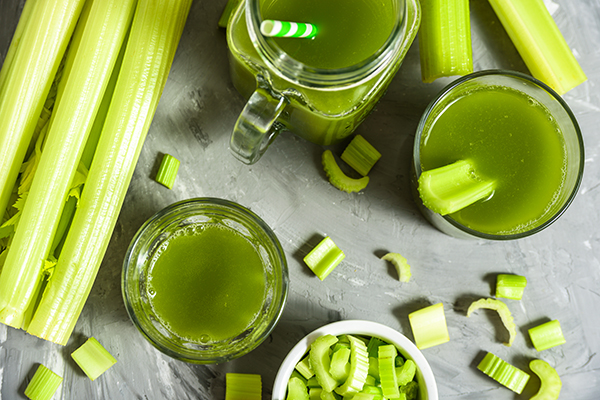
What About Celery Water?
Recently, juicing and drinking celery water has gained popularity due to the Medical Medium website. It claims that drinking celery juice first thing in the morning can cure a variety of conditions and illnesses.
While celery does contain the variety of nutrients listed above, there is no evidence that consuming celery alone is a cure to any health issues.
What’s more, juicing removes the fiber, which is a critical element to reap the digestive benefits and to aid in staying full all day.
The Bottom Line
If you enjoy eating celery or drinking celery juice, by all means go ahead. But in order to achieve optimal health, it’s important to not fixate on one ‘superfood’ and ensure that you are eating well-balanced meals with different types of fruits, veggies, and other foods and macronutrients like protein and fat.
from Nutrition – The Beachbody Blog https://ift.tt/2vZN1nx
Comments
Post a Comment